Cats

Cats, Newsletter Library, Veterinary Topics

Keep Cats Moving and Grooving

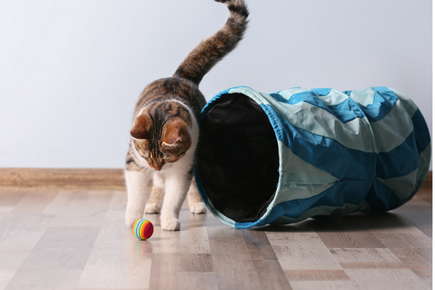
Keeping your cat active can help it burn calories and use muscles, tendons and ligaments that may often be seen catnapping. Burning calories is important for your cat. The more your cat moves and exercises, the more calories it will expend during the activity. Exercise will help to off-set the naps taken

Cats, Newsletter Library, Veterinary Topics

Is a Feral Cat Right for You?

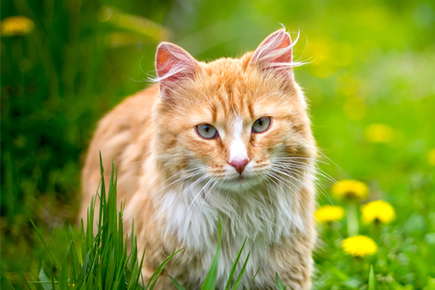
In many ways, Tiger Kitty (or TK as he’s known for short) isn’t your typical feral cat. Unlike his still-wild counterparts who still roam around, homeless and often hungry, he now has a home. When his owners get home at night, he runs out to meet them and rubs against their ankles looking to be patted.

Cats, Newsletter Library, Veterinary Topics

Heart Disease in Cats

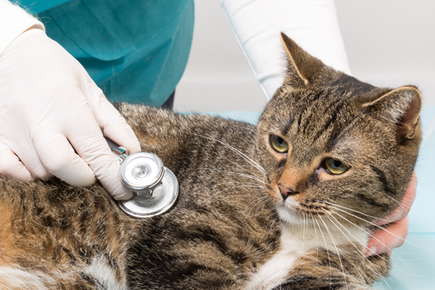
Cats are wonderful pets. In fact, they outnumber dogs as pets in the United States. It is estimated that 85 to 95 million cats are kept as pets; one-third of all households have at least one feline friend. It is important for cat owners to be aware of a stealthy disease that may affect as much as 15

Cats, Newsletter Library, Veterinary Topics

Does Your Cat Need Vaccines?

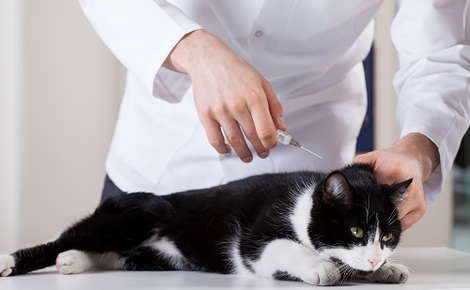
In a word, yes. “No other medical development has been as successful as vaccination in controlling deadly diseases in companion animals,” says feline veterinarian Dr. Arnold Plotnick. The Exception Dr. Plotnick and other veterinarians acknowledge that, rarely, vaccinations in cats have been linked

Cats, Newsletter Library, Veterinary Topics

All About Hairballs

Does your favorite feline leave you hairballs as gifts? If so, you’re not alone. Although we love cats for being meticulous groomers, it’s safe to say we don’t like finding hairy presents around the house. Let’s explore what causes hairballs and how to prevent them. What Causes a Hairball? Hairballs

Cats, Newsletter Library, Veterinary Topics

Do Cats Really Love Milk?

Cats, unlike dogs, are true carnivores which means they thrive on meat only diets and require no vegetable, grain, or dairy supplementation. Cows milk is not recommended for cats because it can be too rich for their digestive systems. This is because most cats can’t digest milk properly because it contains

Scroll to Top