
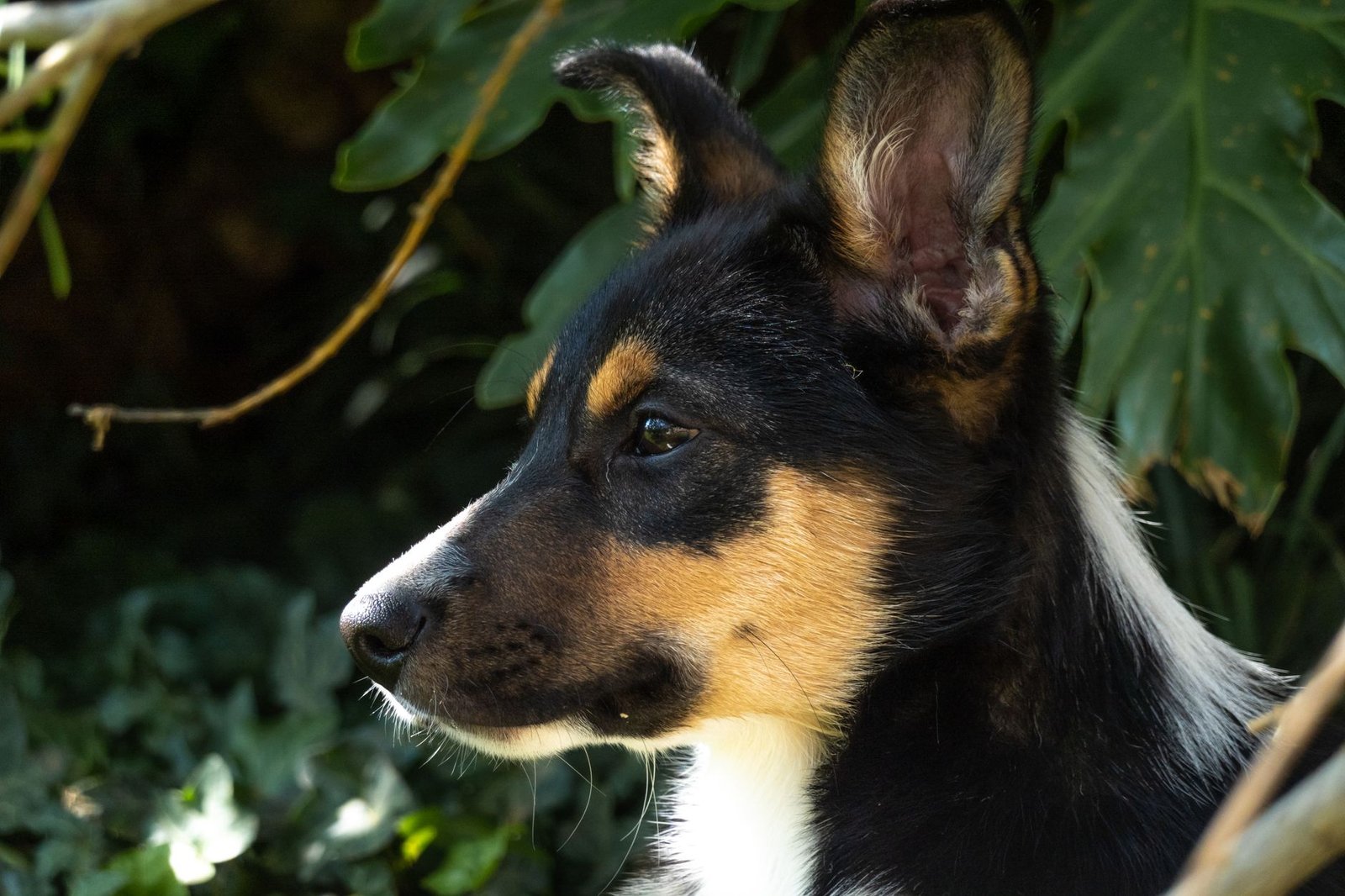
The puppy that arrived in spring is now an adolescent, and autumn is when owners notice. Recall stops working, a familiar street becomes frightening, and settled house training slips. Most of this is normal development rather than disobedience, but some of it is not, and a few signs genuinely need examining.
Why September is when it shows up
Puppies who came home in March and April hit adolescence somewhere between six and twelve months, and for a spring puppy that lands squarely in the autumn.
Two things happen at once. The brain is reorganising, which is a real physical process rather than a figure of speech, and the parts governing impulse control develop later than the parts driving curiosity and independence. At the same time, hormones arrive in unneutered dogs and change what your dog finds interesting about the world.
Add the seasonal shift, and the picture gets busier. The household routine changed in September. Walks moved into the dark. The weather turned. A dog that was managing fine in August is now handling three changes at once.
Cats go through their own version, roughly six to eighteen months, and it looks different: more independence, more roaming, more testing of boundaries, and often a change in how much they want to be handled.
What normal adolescence actually looks like
Owners frequently describe it as their dog forgetting everything it learned. That is not far off.
- Recall becomes unreliable, particularly outdoors and particularly when something more interesting exists
- Pulling on the lead returns after months of walking nicely
- Selective hearing, so a dog that clearly understands a cue chooses not to act on it
- Chewing increases again, often around seven to nine months
- House training slips, especially with excitement or a change in routine
- Testing boundaries at home, so counters, bins and furniture that were previously respected
- More interest in other dogs and less interest in you
- Mounting, marking and roaming in unneutered dogs
- Sleep patterns change, with more energy in the evening
None of this means the training failed. It means your dog is thirteen. The training is still in there and comes back with consistency, which is genuinely the hard part when you are the one holding the lead on a wet Tuesday.
The second fear period, which catches everyone out
This is the one owners have usually never heard of, and it is the most upsetting to live through.
Somewhere between roughly six and fourteen months, many dogs go through a phase where things they have known their whole life suddenly become frightening. A bin they have walked past a hundred times. A neighbour they like. A bus, a gate, a manhole cover, a particular corner of a familiar street.
It arrives abruptly, it can be quite dramatic, and it typically passes over weeks. What you do during it matters, because a bad experience in this window can stick.
What helps:
- Let your dog retreat. Never force an approach to something that frightens it
- Add distance rather than pushing through. Cross the road, go round, and try again another day
- Stay light and matter-of-fact yourself. Your dog is reading you closely
- Keep experiences short and positive rather than long and testing
- Do not punish fear. Punishment adds you to the list of frightening things
What does not help: flooding, which means holding a dog near the thing it fears until it stops reacting. It suppresses the outward signs without changing anything underneath, and it frequently makes the fear worse.
The groundwork laid earlier still counts, and our guide to urban socialization in East Vancouver covers the first-year foundations this phase builds on.
What is not adolescence
This is the part worth reading carefully, because normal development and a physical problem can look identical from the outside, and assuming behaviour delays the right answer.
Bring your dog or cat in rather than waiting it out if you see:
- House training that has genuinely reversed, especially with drinking more, straining, or accidents while asleep. Urinary problems present exactly this way
- Reluctance to jump, climb stairs or be handled, which in a growing large-breed dog can be a developmental joint problem rather than stubbornness
- Sudden fear or aggression around the head, ears or mouth, which is often discomfort rather than attitude
- Startling at things approaching from one side, or bumping into things in dim light, which can be vision
- Not responding to sounds from behind, which can be hearing rather than defiance
- Eating non-food items persistently, which is worth investigating rather than managing
- Weight loss, appetite change or a dull coat alongside the behaviour change
- Any aggression that is new, in any context
Our medical services team will examine, and where it is useful run bloodwork or a urine test, before anyone concludes a young dog is simply being difficult. That order matters. It is much easier to build a behaviour plan once you know the body is fine.
Getting through it
- Go back a step in training rather than pushing harder. Shorter distances, fewer distractions, higher-value rewards. You are not starting again, you are lowering the difficulty
- Use a long line instead of gambling on recall in an open space. It preserves freedom without teaching your dog that ignoring you works
- Keep the routine boringly consistent. Adolescents cope badly with a household that changes the rules
- Exercise the nose, not just the legs. Twenty minutes of sniffing tires an adolescent dog more than an hour of running, and running a young dog into the ground builds stamina rather than calm
- Give real rest. Adolescent dogs are frequently overtired, and overtired looks like hyperactive
- Keep meeting the world, in small manageable doses, rather than stopping outings because they have become hard
- Talk to us about neutering timing. It is not one-size-fits-all, it depends on breed, size and the individual dog, and it is a conversation worth having rather than a date to pick off a chart
Adolescence is also a good moment for a general check, since it lands between the puppy visits and adult care. Our pet care services cover that stage, including weight, joints and the neutering conversation.
Frequently asked questions
My eight month old has stopped coming when called. Did I train him wrong?
Almost certainly not. Recall is the first thing to go in adolescence because the outside world has just become far more interesting than you are. Go back to a long line, make yourself worth returning to, and stop giving the cue in situations where you know it will be ignored. It reliably comes back.
How long does adolescence last?
Roughly six to eighteen months, longer in large and giant breeds, which mature later. The most testing stretch is usually somewhere between eight and fourteen months. It genuinely does end, though that is cold comfort in month ten.
My dog is suddenly terrified of something he has walked past all year. Is that normal?
It can be entirely normal and is characteristic of the second fear period. Add distance, keep it brief, do not force him toward it, and try again in a week or two. If the fear is generalising to many new things, or is accompanied by any physical change, come and see us.
Will neutering fix the behaviour?
It reduces hormone-driven behaviours such as roaming, marking and mounting. It does not teach recall, stop pulling or resolve fear, and in some anxious dogs the timing needs thought. Anyone who tells you neutering fixes adolescence is overselling it. Come and discuss your specific dog.
Do kittens go through this too?
Yes, roughly six to eighteen months. It shows as more independence, more roaming, more boundary testing and often less tolerance of handling. Cats also start fights at this age, so it is worth thinking about whether your cat should still be out after dark.
Should I stop taking my dog out until it settles down?
No, and this is a common misstep. Stopping outings means a dog misses exactly the experiences it needs, and it usually emerges less confident. Reduce the difficulty instead. Quieter times, shorter routes, more distance from whatever is hard.
Speak to the team at Killarney Animal Hospital
If your young dog or cat has changed and you are not sure whether it is behaviour or something physical, book an examination. Call us on (604) 433-5500.
Published by the team at Killarney Animal Hospital.
This article is for general educational purposes only and is not a substitute for an in-person veterinary examination or advice about your individual pet. If you have an urgent concern about your pet, contact Killarney Animal Hospital or your nearest emergency veterinary hospital right away.
Killarney Animal Hospital
2649 East 49th Avenue, Vancouver, BC V5S 1J9
Phone: (604) 433-5500
Email: info@killarneyanimalhospital.com
Hours: Monday to Saturday 8:00 AM to 8:00 PM; Sunday 9:00 AM to 6:00 PM; statutory holidays closed