Choosing your pet

Choosing your pet, Ferrets, Small Mammals, Veterinary Topics

Ferret Health

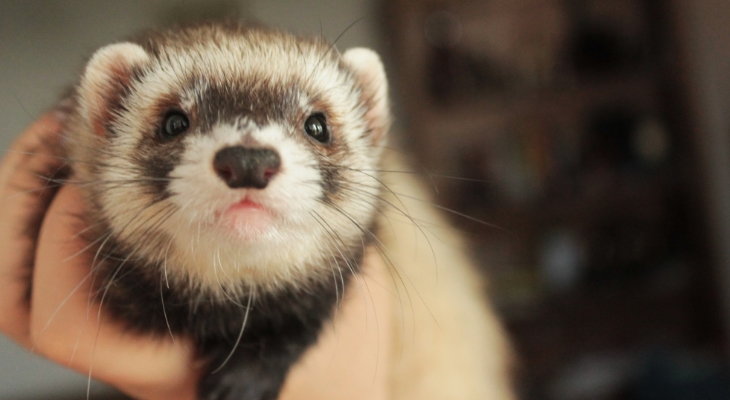
You will need to take your ferret in to your veterinarian twice a year for a medical checkup and yearly vaccinations. Ferrets require yearly inoculations against canine distemper. They are highly susceptible to canine distemper and it is always fatal. Do not forget to inoculate against this every year!

Choosing your pet, Pocket Pets, Small Mammals, Veterinary Topics

Gerbils

Gerbils are great little pets for pet owners who don’t have room for a dog or cat. They’re friendly and fun to watch, but they do take a moderate level of care and investment. If you’re thinking of getting a gerbil, here’s what you’ll need to know to keep him happy and healthy, including giving him a

Choosing your pet, Exotics, Reptiles, Turtles

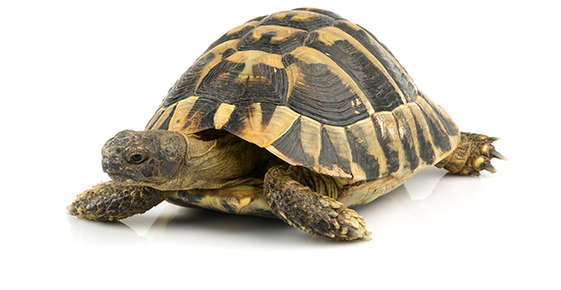
Tortoises

Tortoises can make an interesting pet, although they can present a challenge, due to their size and dietary habits. Their diets vary based on species, but all need quite a variety of foods, with careful attention paid to the amount of roughage as well as calcium/phosphorus balance. Some species have

Choosing your pet, Exotics, Reptiles, Turtles, Veterinary Topics

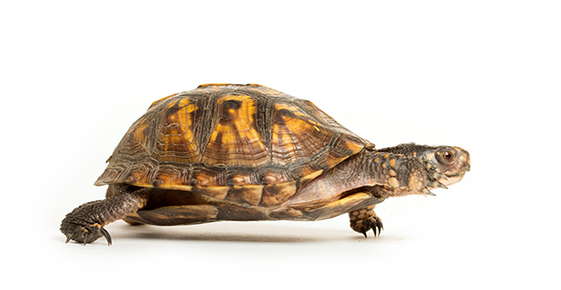
Box Turtles

North American box turtles are mainly terrestrial turtles, although they do spend some time in shallow water (Asian box turtles tend to be a bit more aquatic). Compared to aquatic turtles such as red eared sliders, they are more challenging and complex pets, and are not the best choice for beginning

Choosing your pet, Exotics, Lizards, Reptiles, Veterinary Topics

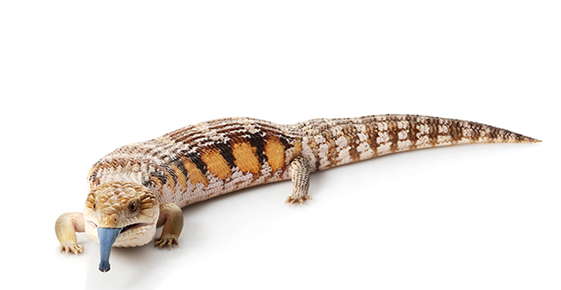
Bearded Dragons

Bearded dragons are generally docile, and their aggressive displays are rarely seen in captivity. It is reported that even wild bearded dragons will sometimes allow themselves to be picked up without a struggle. Popular as pets, bearded dragons or “beardies” are moderately sized lizards native to Australia.

Choosing your pet, Exotics, Lizards, Reptiles, Veterinary Topics

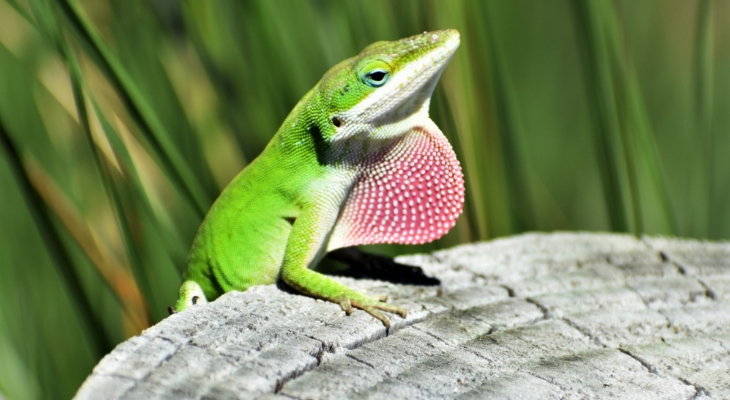
Green Anoles

Species: Anolis carolinensis. Sometimes also called American chameleons, although they are not true chameleons. They can do a color change from green to brown, especially when stressed. Quite readily available in the pet trade. Life span averages around 4 years, although they can live longer

Choosing your pet, Exotics, Lizards, Reptiles, Veterinary Topics

Leopard Geckos

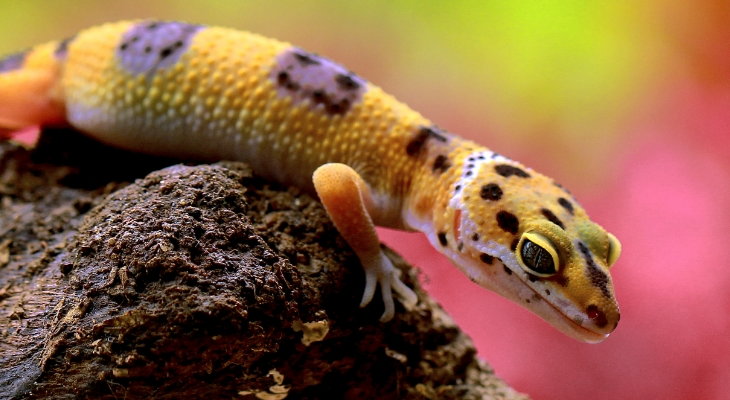
The scientific name for leopard gekos is Eublepharis Macularius. They may live 20 or more years and grow to be approximately 8-10 inches long. Their common coloring is yellow and white with black spots (hatchlings start out striped, and gradually change to the spotted appearance). There are several color

Scroll to Top