
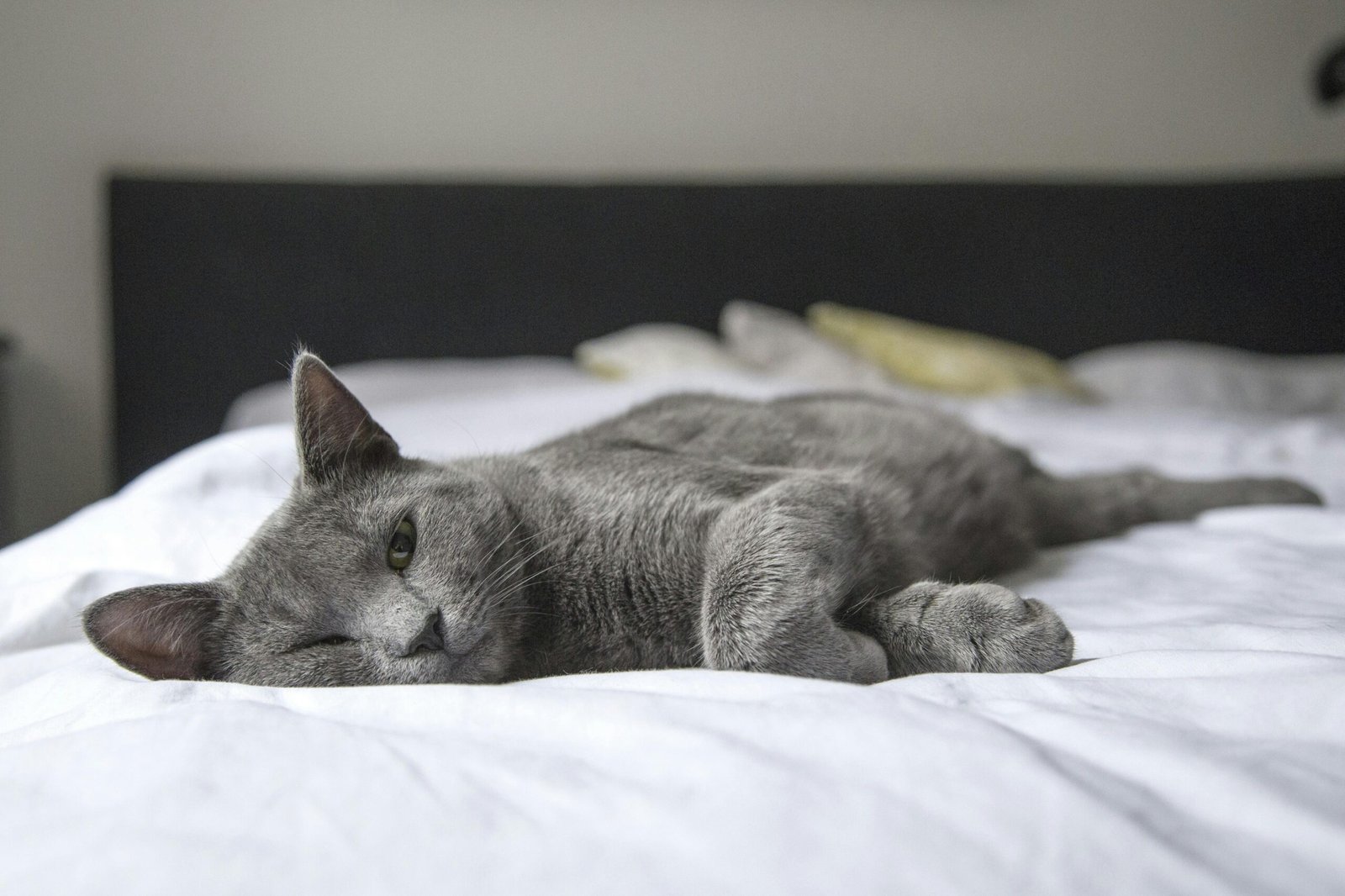
Living in Vancouver often means making the most of smaller spaces, especially in condos and apartments. While indoor living keeps cats safe from traffic, wildlife, and outdoor hazards, it can also limit their natural opportunities to explore, hunt, and stay active.
Cats are curious and intelligent animals that need both physical and mental stimulation to stay healthy. Without enough engagement, indoor cats can become bored, stressed, or develop unwanted behaviors. The good news is that even in small spaces, there are effective ways to create an enriching environment.
Why Indoor Cats Need More Stimulation
In the wild, cats spend much of their time hunting, climbing, and exploring their surroundings. Indoor cats do not have these same opportunities, which means their daily routine can become repetitive.
When cats lack stimulation, you may notice behaviors such as overgrooming, excessive sleeping, weight gain, or sudden bursts of hyperactivity at night. Some cats may also become more vocal or start scratching furniture out of frustration.
Providing outlets for natural behaviors like climbing, stalking, and problem solving helps reduce stress and keeps your cat mentally engaged.
Making The Most Of Vertical Space
In smaller homes, floor space is limited, but vertical space can make a big difference.
Cats naturally enjoy climbing and observing their surroundings from higher vantage points. Adding cat trees, wall mounted shelves, or window perches can create a sense of territory without taking up much room.
Even a simple elevated resting spot near a window can provide hours of entertainment as your cat watches birds, people, and outdoor activity.
Creating Interactive Play Routines
Play is one of the most effective ways to keep indoor cats active. However, not all play is equally engaging.
Cats are instinctive hunters, so toys that mimic prey tend to work best. Wand toys, feather teasers, and small moving objects can trigger stalking and chasing behavior.
Short, consistent play sessions throughout the day are more effective than one long session. Even 10 to 15 minutes of interactive play can help burn energy and reduce boredom.
Rotating toys regularly can also keep things interesting and prevent your cat from losing interest.
Enrichment Through Feeding
Feeding time can be turned into an opportunity for mental stimulation.
Instead of always using a standard food bowl, consider puzzle feeders or slow feeding toys. These encourage your cat to work for their food, which mimics natural hunting behavior.
Hiding small portions of food around your home can also create a scavenger hunt that keeps your cat engaged and active.
These small changes can make a big difference in how your cat experiences their daily routine.
Providing Safe Window Experiences
Many indoor cats are naturally drawn to windows. Watching the outside world can provide valuable mental stimulation.
If possible, set up a comfortable window perch where your cat can safely observe birds, trees, and passing activity. In Vancouver, where greenery and wildlife are common, this can be especially enriching.
Ensure windows are secure and screens are intact to prevent accidents, especially in higher floor apartments.
Managing Scratching And Territory Needs
Scratching is a natural and necessary behavior for cats. It helps them maintain their claws, stretch their muscles, and mark territory.
Providing appropriate scratching posts or pads can prevent damage to furniture while giving your cat an outlet for this behavior.
In smaller spaces, placing scratching areas near sleeping spots or commonly used areas can encourage regular use.
Keeping Your Cat Mentally Engaged
Mental stimulation is just as important as physical activity. Simple changes in your home environment can keep your cat curious and engaged.
• Rotate toys to keep them interesting
• Introduce new textures or safe objects occasionally
• Create hiding spots using boxes or tunnels
• Spend time interacting with your cat daily
Even small variations in routine can prevent boredom and encourage exploration.
When To Watch For Signs Of Stress
Indoor cats may not always show obvious signs of stress, but subtle changes can indicate that they need more stimulation.
Changes in appetite, grooming habits, or litter box behavior can sometimes be linked to boredom or anxiety. Increased aggression or withdrawal can also signal that your cat is not fully comfortable in their environment.
If these signs appear, adjusting your cat’s environment and routine can often help.
Supporting Your Cat’s Well Being
Keeping an indoor cat happy in a small space is less about the size of the home and more about how the space is used. With the right combination of enrichment, interaction, and routine, cats can thrive even in compact living environments.
If you have questions about your cat’s behavior, activity level, or overall health, the team at Killarney Animal Hospital can help guide you.
You can contact Killarney Animal Hospital at 604-433-5500 to schedule an appointment or discuss ways to support your cat’s well being. A thoughtful approach to indoor care can help your cat stay active, engaged, and content in any living space.