Tips For Effectively Administering Pet Medicine
Trying to slip a pill between your pet’s clenched teeth just might be one of the hardest pet-related tasks you’ll ever perform. The experience can be difficult and frustrating for both of you and may prevent your pet from receiving much-needed medicine. These tips can make the process much easier and less stressful.
Follow This Step-By-Step Procedure
If your pet’s veterinarian has recommended pills, follow these steps:
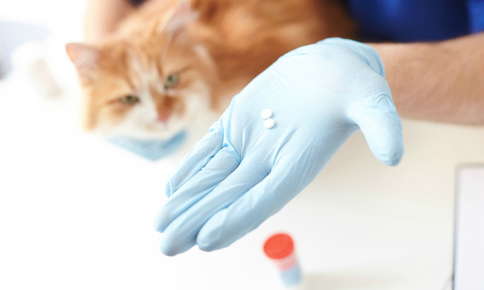
- Place the pill between your index finger and thumb.
- Tilt the pet’s head back slightly to make it easier to swallow the pill.
- Lift the upper jaw using the middle and ring fingers.
- Drop the pill into the center of your pet’s tongue and close the jaw.
- Gently rub the throat to encourage swallowing.
- Use a pill applicator if you have difficulty placing the pill in your pet’s mouth. The device deposits the pill in the back of the mouth for easy swallowing.
If you’ll be giving your pet liquid medicine, don’t tilt its head back, as this position may cause choking. After you open your pet’s jaw, squirt the medicine in the side of the mouth.
Don’t be afraid to ask for help if you need it. If a friend or family member isn’t available to hold your pet, wrap your dog, cat, rabbit or small animal in a towel or blanket to limit squirming and prevent injuries.
Get Creative
It may not be practical to use the above method if your pet is very large or difficult to control, even if you have help. Hiding whole pills or liquid medicine in food or treats may offer a simple way to ensure that your pet receives the medicine. Don’t crush pills without speaking to your pet’s veterinarian first, as some medicine may not be as effective if it’s crushed.
The food you choose should be large enough to conceal the medicine completely and tasty enough to tempt your pet. Buy treats that contain pill pockets or hide medicine in foods your pet enjoys, such as tuna, canned meat, peanut butter, cream cheese, baby food or wet pet food.
Try Pet-Approved Flavors
Beef, chicken or fish flavors can be added to some medicines to make them more attractive to pets. If your pet takes medicine that contains one of these flavors, be sure to store the container in a safe place to prevent an accidental overdose.
Don’t Share Medicines
Dosage amounts vary depending on the size and type of pet. A therapeutic dose of a medicine for your large dog may sicken your cat or smaller dog. In some cases, your pet may be recommended the same drug that you take. Although it may be tempting to save a little money by offering by your dog or pet half of one of your pills, the dosage may still be much too strong for your pet.
Some medicines intended for use by humans can be toxic for pets. Aleve, Motrin or Advil may help your aches and pains but can cause stomach and intestinal ulcers and kidney failure in pets, according to the Pet Poison Helpline. Acetaminophen (Tylenol) can cause red blood cell damage in cats and dogs and liver failure in dogs. Before you give your pet any drug intended for humans, check with your veterinarian first.
A Few Things to Remember
Keep these things in mind when your pet is taking medicine:
- Follow Instructions Carefully. Some medicines should be taken with or without food or water. If you don’t follow these instructions, the medicine may not work as well. It’s also important to give doses at the intervals noted on the label.
- Use the Entire Prescription. Your pet may begin to feel better a few days after starting a medicine. Unfortunately, the symptoms may return if you don’t give your pet all of the recommended pills or liquid medicine.
- Be Alert for Side Effects. Pets can experience side effects from medicines just as people can. Ask your pet’s veterinarian to describe common side effects and explain which effects are serious and warrant a call to the office.
Do you have any questions about your pet’s medicine or symptoms? Give us a call and let us know how we can help you.
Sources:
American Kennel Club: 6 Tips for Giving Your Dog His Pills, 8/22/18
Pet Poison Helpline: Top 10 Human Medicines Poisonous to Pets