
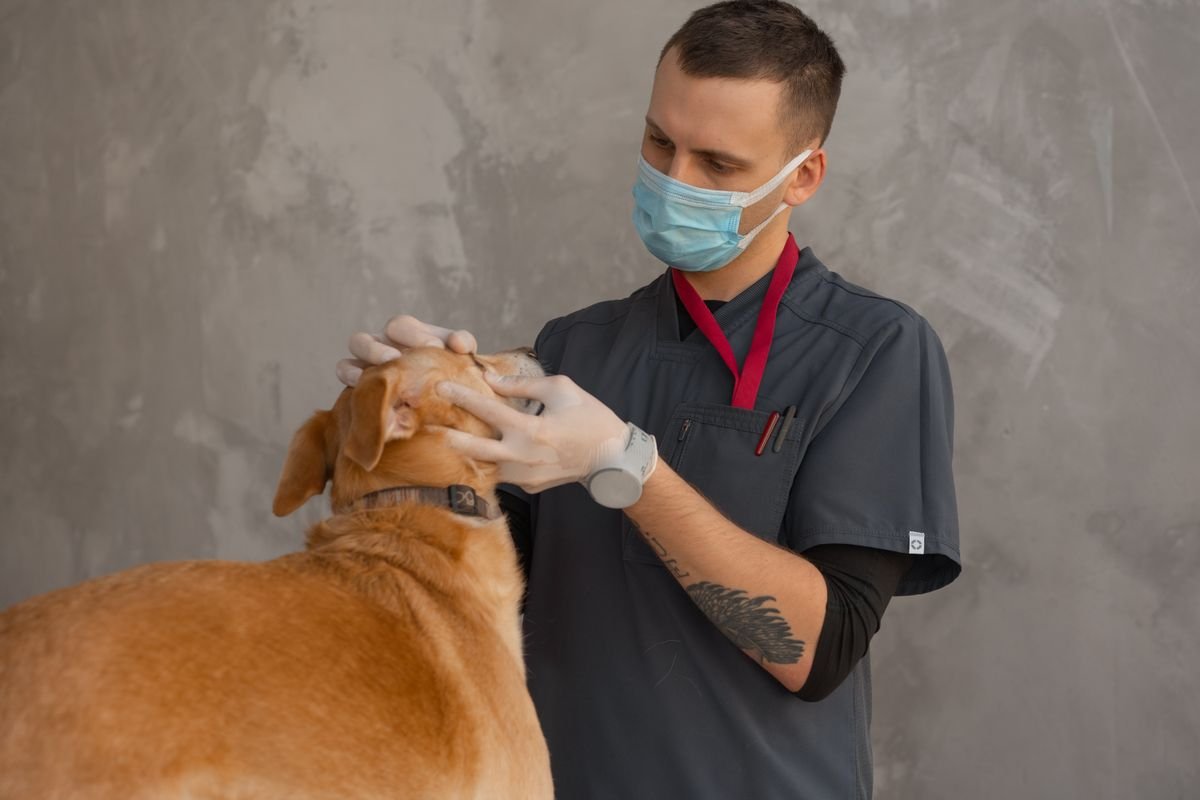
Finding a new lump on your dog or cat is understandably worrying, but not all lumps are dangerous. Some are harmless, while others need attention, and you cannot reliably tell which by look or feel alone. The safest step is a veterinary exam. At Killarney Animal Hospital in East Vancouver, our team can check any new lump.
Why pets get lumps and bumps
Lumps are common, especially as pets age, and they come in many forms. Some are harmless, such as fatty lumps, cysts, warts, or small swellings from an insect bite or minor injury. Others are growths that need attention, and these can be benign, meaning they stay local, or malignant, meaning they can spread. The same word, lump, covers everything from completely harmless to serious, which is exactly why each one deserves a proper look.
Why you cannot tell by feel alone
It is natural to want to judge a lump by how it feels, soft or firm, movable or fixed, but appearance and texture are not reliable guides. A soft, harmless-feeling lump can occasionally be something that needs treatment, and a firm lump can be benign. Even experienced veterinarians do not guess; they test. That is reassuring, because it means a simple, quick procedure can usually give you a clear answer rather than leaving you to worry.
What to watch for and write down
When you find a lump, a few notes help your veterinarian. Record where it is, roughly how big it is, when you first noticed it, and whether it has changed. Watch for warning signs such as rapid growth, a lump that is ulcerated, bleeding, or oozing, one that seems painful, or changes in colour or firmness. Any lump that is growing quickly or bothering your pet deserves prompt attention rather than a wait-and-see approach.
It can help to gently measure with a ruler and even take a dated photo, so you and your veterinary team can track any change accurately over time.
The see it, note it, check it approach
A simple habit protects your pet: run your hands over them regularly, ideally during grooming or cuddle time, so you notice new lumps early. When you find one, note the details, then book an exam rather than monitoring indefinitely on your own. Early lumps are usually easier to address, and getting a clear answer early often means simpler care and real peace of mind.
How your veterinarian evaluates a lump
Your veterinarian will start by examining the lump and your pet overall. Often the next step is a fine needle aspirate, a quick, generally painless procedure that draws a few cells from the lump to examine under the microscope, sometimes through our pet diagnostics and on-site laboratory. In some cases a biopsy gives more information. Based on the results, our medical services and, when needed, surgical services teams will recommend whether to monitor, remove, or treat the lump.
When to act sooner rather than later
Some lumps warrant a quicker call: any that grow rapidly, change suddenly, bleed or break open, or appear alongside signs like weight loss or low energy. Lumps near the eyes, mouth, or paws, or anywhere they interfere with your pet’s comfort, also deserve prompt attention. When in doubt, it is always reasonable to have it checked, and routine visits through our wellness program are a good time to point out anything new.
Should you ever just monitor a lump at home? It is reasonable to wonder whether a small, long-standing lump really needs a visit. The honest answer is that monitoring is only safe once a lump has actually been checked and identified. A lump your veterinarian has examined and confirmed as harmless can often be watched for changes at home, with a recheck if anything shifts. A brand-new lump, however, has not earned that benefit of the doubt yet.
The risk with a wait-and-see approach on an unknown lump is simple: if it does turn out to be something that needs treatment, time matters, and many problems are easier to address when they are small. Getting an early answer costs little and removes the worry, which is why most veterinarians encourage checking first and monitoring second, rather than the other way around.
Frequently asked questions
Should I worry about every lump I find?
You do not need to panic, but you should have any new lump checked. Many are harmless, but because you cannot tell by look or feel, an exam is the only reliable way to know.
Can my veterinarian tell if a lump is cancerous just by feeling it?
No. Even experienced veterinarians cannot reliably judge a lump by feel. A quick test, such as a fine needle aspirate, is needed to see the cells and give a clear answer.
Does checking a lump hurt my pet?
A fine needle aspirate is quick and usually well tolerated, similar to a vaccination. Most pets handle it easily, and it often provides answers the same day without surgery.
My pet has had a fatty lump for years. Do I still need it checked?
Yes, at least once, and again if it changes. A lump that has been confirmed as harmless is reassuring, but any change in size, shape, or texture is worth a recheck.
How quickly should a fast-growing lump be seen?
Promptly. A lump that grows quickly, bleeds, or breaks open should be examined soon rather than monitored, since earlier evaluation usually means more options and simpler care.
How can I find lumps early?
Make a habit of running your hands over your pet during grooming or cuddles, and mention anything new at wellness visits. Early discovery gives you and your veterinarian the best head start.