
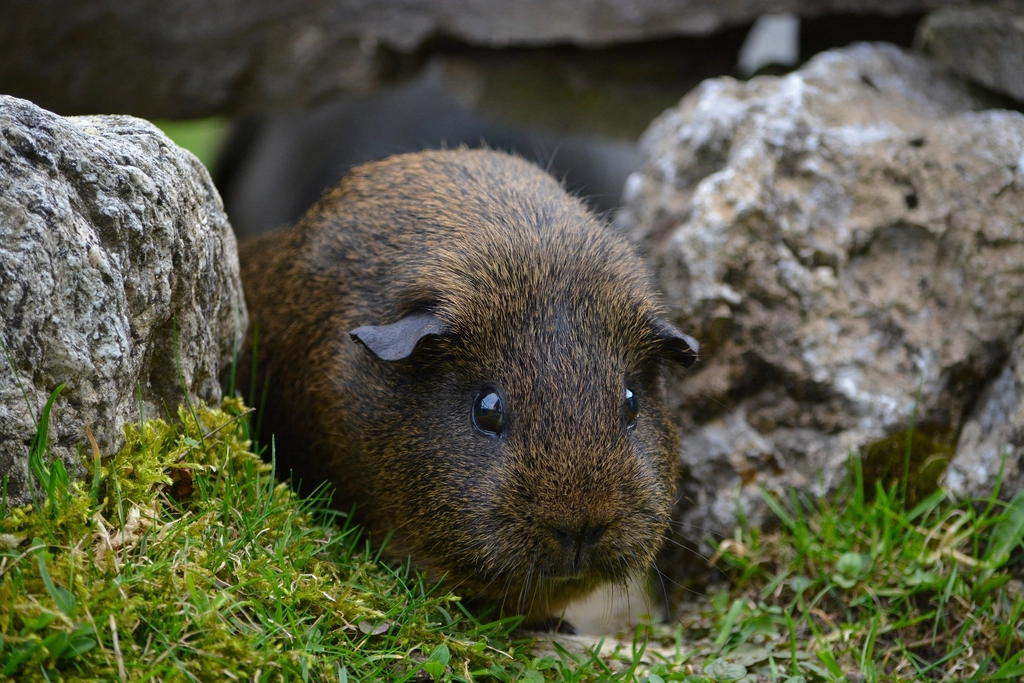
Rabbits and guinea pigs feel summer heat far more than dogs and cats, and they can develop dangerous heat stress at temperatures people find only mildly warm. In the Killarney area of East Vancouver, a sunny window, a warm room, or an outdoor hutch can quickly become risky for small pets. Knowing the early signs and keeping their space cool can protect these sensitive companions all season.
Why Small Pets Overheat So Easily
Rabbits and guinea pigs cannot pant effectively or sweat to cool down the way many animals do. Rabbits release some heat through their ears, and both species rely heavily on a cool environment to stay comfortable. Their thick coats and small bodies mean they heat up fast and struggle to recover. As a general guide, rabbits and guinea pigs are most comfortable in cooler room temperatures, and they begin to suffer when their surroundings climb into the mid twenties Celsius and beyond. That is why an ordinary warm summer day in an East Vancouver home can put them at real risk, especially in a sunny or poorly ventilated room.
Warning Signs of Heat Stress
Small pets hide illness well, so watch closely during warm weather. Signs that a rabbit or guinea pig is overheating include:
- Fast, shallow, or open-mouth breathing
- Lying stretched out and reluctant to move
- Drooling or a wet chin and chest
- Weakness, wobbliness, or unresponsiveness
- Warm ears, especially in rabbits, and a dazed appearance
- Loss of appetite or not drinking
Heat stress can turn critical very quickly in these species. If you see these signs, move your pet to a cooler spot and contact your veterinary team for urgent care immediately, since minutes matter for small pets.
How to Cool a Small Pet Safely
If your rabbit or guinea pig is overheating, act gently while you arrange care:
- Move the enclosure to the coolest, shadiest room right away
- Offer fresh, cool water and mist the ears lightly with cool water in rabbits
- Place a towel wrapped cool pack or a chilled ceramic tile in the enclosure for your pet to lie against
- Use gentle airflow from a fan directed near, not straight onto, your pet
- Avoid sudden ice cold water or full immersion, which can cause harmful shock
Even a pet that seems to recover should be checked, because heat stress can affect the body in ways you cannot see. Your team can assess your pet and, when needed, use pet diagnostics to make sure there are no lasting effects. Because appetite loss in rabbits and guinea pigs is itself a serious concern, never wait and watch if a small pet stops eating after a hot spell.
Preventing Heat Stress All Summer
Prevention is straightforward once you plan for it. Keep enclosures out of direct sunlight and away from windows that heat up during the day, and choose the coolest room in the home during hot weather. Ensure constant access to fresh water and shady hiding spots. Frozen water bottles wrapped in a towel or a cool ceramic tile give your pet a place to lean against and shed heat. Good ventilation matters, so avoid stuffy corners and glass tanks, which trap heat. Provide plenty of fresh hay and leafy greens with high water content to support hydration.
Outdoor hutches are especially risky in summer and can become dangerously hot, so many owners bring rabbits and guinea pigs indoors during heat waves. A summer check as part of a wellness program visit is a good time to talk through a plan suited to your specific pets and living space. With the right setup, rabbits and guinea pigs across Killarney and East Vancouver can stay safe and comfortable through the warmest months.
Know What a Comfortable Small Pet Looks Like
Spotting trouble early is easier when you know what normal looks like for your pet. A content rabbit or guinea pig stays curious and active, grooms itself, munches hay steadily, and produces regular droppings throughout the day. During hot weather, check on your small pets more often than usual, gently feel whether their ears and body seem unusually warm, and confirm they are still eating and drinking. Because these species are prey animals, they instinctively hide weakness, so a quiet, hunched, or still pet may be more unwell than it appears. Any drop in appetite, energy, or droppings deserves attention rather than a wait and see approach. Building this simple daily check into your routine is one of the most reliable ways to catch heat stress, or any illness, before it turns serious.
Frequently Asked Questions
What temperature is too hot for rabbits and guinea pigs?
Both species prefer cooler conditions and begin to struggle once their surroundings reach the mid twenties Celsius. Watch them closely on any warm day, and take active cooling steps well before the room feels hot to you.
Can I put ice cubes in my rabbit’s water?
A little cool water is fine, and a frozen bottle wrapped in a towel to lie against helps. Avoid very cold or iced water in large amounts and never immerse a small pet in cold water, as sudden cold can cause harmful shock.
Should I keep my rabbit or guinea pig outdoors in summer?
Outdoor hutches can overheat dangerously. During warm weather, many owners bring small pets indoors to a cool, shaded, well ventilated room. If pets stay outside, constant shade, airflow, and cool water are essential.
My guinea pig stopped eating after a hot day. Is that urgent?
Yes. A rabbit or guinea pig that stops eating is always a serious concern and can decline quickly. Combined with recent heat, this warrants prompt contact with your veterinary team rather than waiting to see if it passes.