Author name: Killarney

Keeping Pets Healthy, Newsletter Library, Veterinary Topics

The Myth of Natural

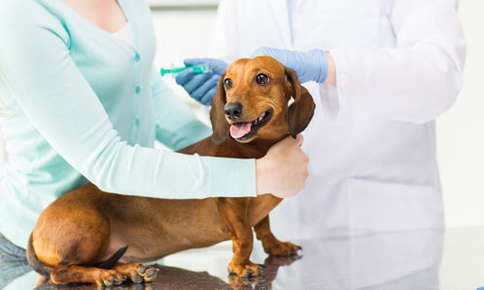
Pet owners occasionally tell veterinarians they are reluctant to use prescription medicine, spot-on flea products, heartworm preventatives, etc, because they would rather use something that is “natural.” They are afraid of chemicals, and would rather use something that is organic or natural. But what is natural? By definition, natural products are those that come from nature.


Keeping Pets Healthy, Newsletter Library, Veterinary Topics

Pet-Friendly Exercises Offer Benefits for Both You and Your Pet

Exercise is the key to good health, whether you’re a person or a pet. When your life is busy, it can be difficult enough to devote a half-hour to a work out, let alone find an extra hour to spend with your pet. Why not save a little time and exercise with your furry friend? These pet-friendly exercises will help you and your dog or cat strengthen your muscles, improve your heart health and keep off those extra pounds.

Keeping Pets Healthy, Newsletter Library, Veterinary Topics

Bird Grooming – Wings, Beaks & Nails

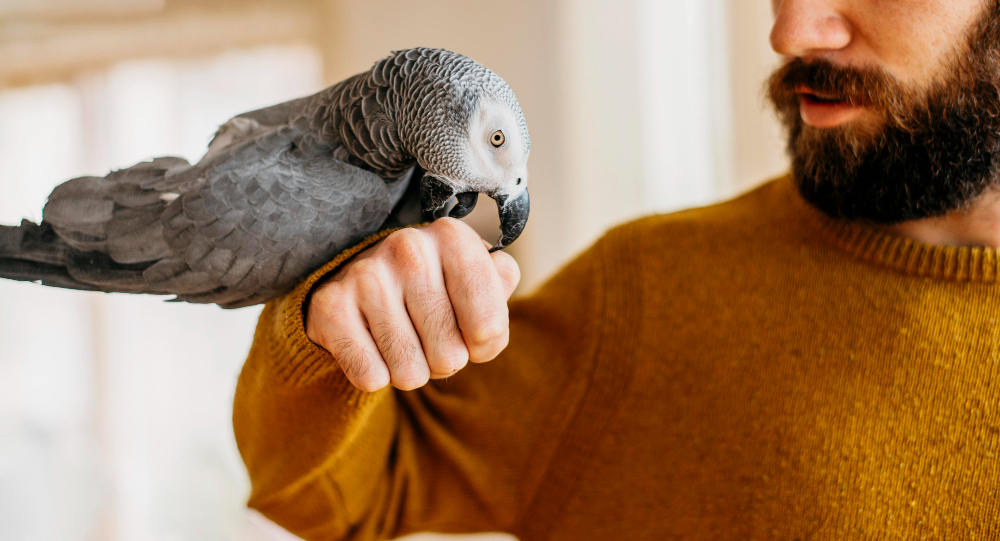
The grooming that is necessary for birds is something that may get overlooked, since typically we don’t let them constantly roam freely around our houses like with other pets. However, just because they are set on a perch safe within their cages doesn’t mean that their maintenance should be any less. Just like other pets they require regular upkeep and caring attention.

Keeping Pets Healthy, Newsletter Library, Veterinary Topics

How to Control Bad Breath in Pets: Tips & Tricks

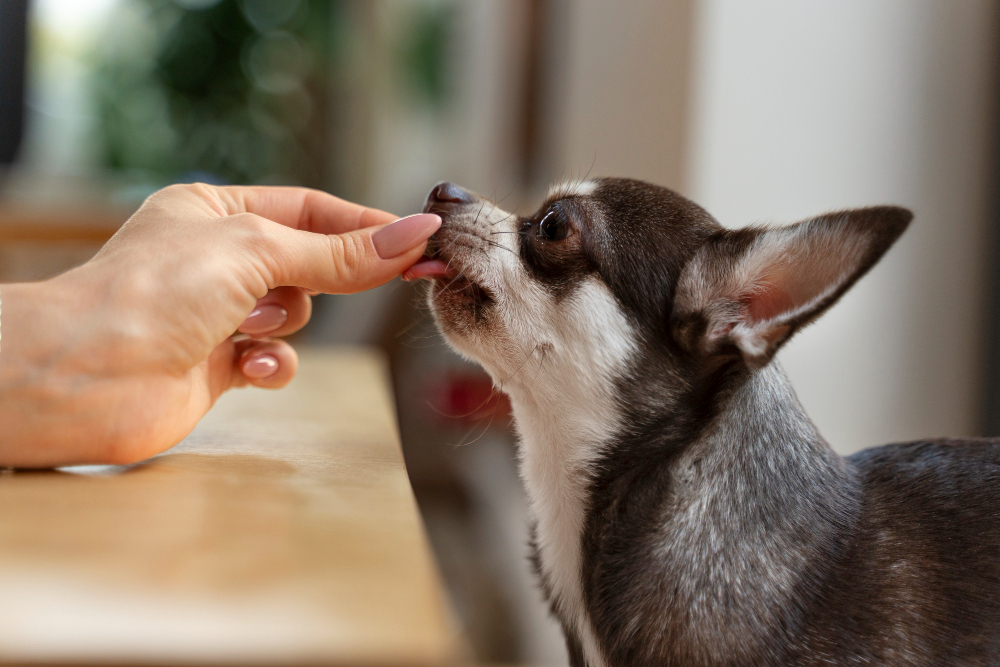
There’s nothing fun about getting a slobbery wet kiss from a dog or a cat with bad breath! Bad breath, also known as halitosis, is generally caused by excessive build-up of odor -producing bacteria inside your pet’s mouth, lungs, or even gut. While most cases of bad breath can be traced back to poor oral hygiene, in some cases, bad breath could be symptomatic of a more serious health problem.

Keeping Pets Healthy, Newsletter Library, Veterinary Topics

Bringing Dog Vision in Focus

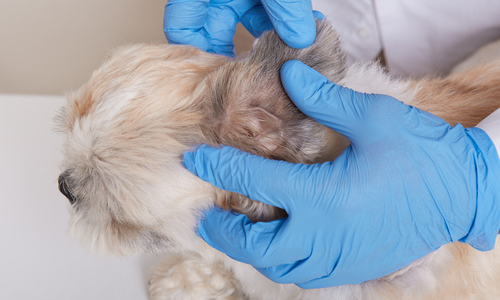
Veterinary ophthalmologists are often asked, “How well do animals see?” Visual function involves a combination of many factors, including: the field of view, depth perception, acuity, perception of motion, and color differentiation. All of these functions must then be integrated by the brain to produce useful vision. Although we are unable to ask our pets to read an eye chart, through comparative studies, it is possible to make some educated assumptions about their vision.

Scroll to Top