
The Difficult Decision: When is Pet Euthanasia the Right Choice?
Pet euthanasia, sometimes called “putting a pet to sleep,” is a procedure where a veterinarian administers medication to gently end […]

Pet euthanasia, sometimes called “putting a pet to sleep,” is a procedure where a veterinarian administers medication to gently end […]
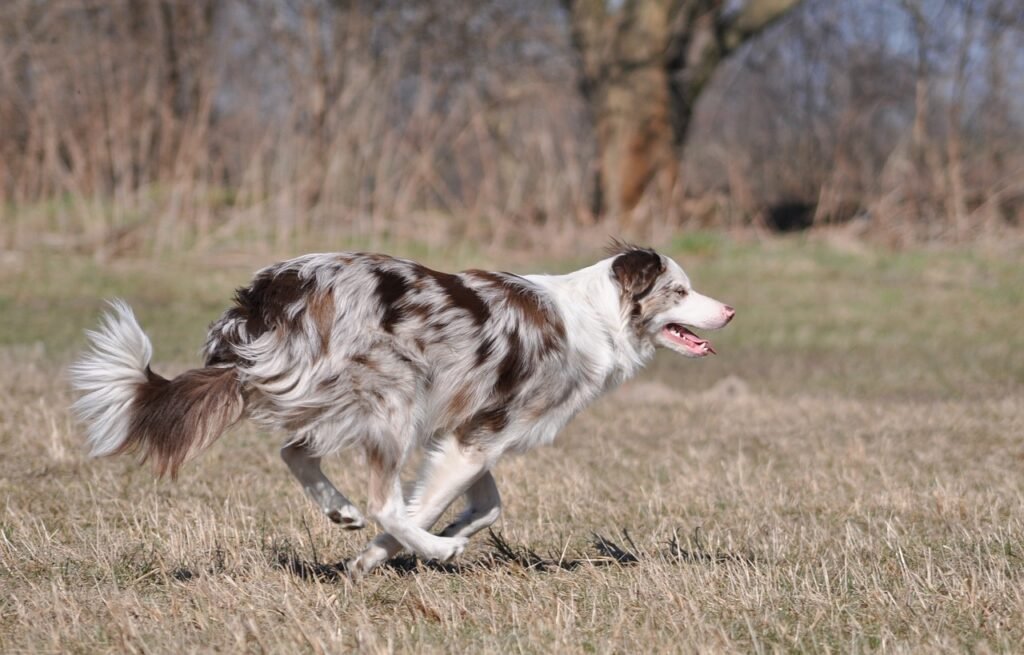
Summer is a time for fun in the sun, but it’s also a season when our furry friends are at

When it comes to our furry friends, their safety and security are always top priorities. One effective way to ensure

As pet owners, we all want the best for our furry companions, and that includes ensuring they’re not just happy,
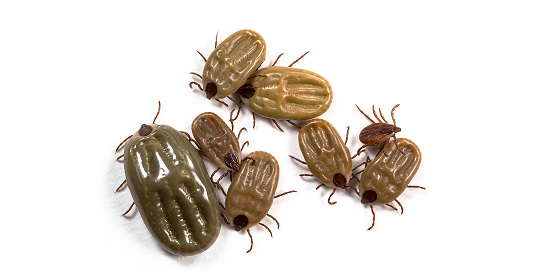
Ticks are the small wingless external parasites, living by hematophagy on the blood of mammals, birds, and occasionally reptiles and amphibians. Ticks are blood-sucking parasites that are often found in freshly mown grass,

Hip dysplasia is a congenital disease that, in its more severe form, can eventually cause lameness and painful arthritis of the joints. It is caused by a combination of genetic and environmental factors. It can be found in many animals and, rarely, humans, but is common in many dog breeds, particularly the larger breeds.

The Parvovirus is known worldwide and causes disease in many different species of animals. Different strains of virus only infect certain types of animals. For example, the Canine Parvovirus (Parvo) will mainly infect dogs and does not cause disease in cats or humans. Feline Parvovirus, a different strain

Gastric Dilation Volvulus (GDV) is a life threatening, acute condition that requires immediate medical attention. Certain breeds are more prone to this condition: Boxers, Great Danes, Standard Poodles, Saint Bernards, Irish Setters, Dobermans, Weimaraners and Gordon Setters. These breeds are considered

Heartworm has been diagnosed in dogs in all parts of the world and is actually very common. This may be due to the fact that heartworm has a virtual 100% prevalence rate in unprotected dogs living in highly endemic areas. Heartworm, also known as Dirofilaria immitis, is transmitted by mosquitoes. The

There are many types of mites that infect dogs, cats, and other animals. Mites are microscopic arthropod parasites that, for the most part, infect the skin or mucous membranes. Mites can even be present on birds and reptiles. The most common mites that infect dogs and cats are ear mites, Demodex, scabies,