
How to Celebrate Your Pet During National Pet Month
Don’t have any plans for National Pet Month? Try a few of these ideas.
Don’t have any plans for National Pet Month? Try a few of these ideas.

You’ve just started your car trip with your dog or cat when you hear a particularly disturbing sound, followed by an unmistakable odor. Motion sickness doesn’t just affect humans, but can also be a problem for our animal companions. Although the easy answer to the problem is “don’t take your pet for rides in the car,” it’s not always possible to avoid car trips. These remedies can improve your pet’s comfort during car rides and will help you keep your vehicle cleaner.

Heartworm disease can have a devastating effect on your pet’s health. National Heartworm Awareness Month, observed annually in April, reminds pet owners about the health dangers this preventable disease poses for pets

Gaining just a few extra pounds can cause big health problems for your pet. Although chubby pets may look cute, extra weight increases the risk that your pet will develop several preventable diseases and health conditions, including diabetes, arthritis and liver disease.
According to the American Animal Hospital Association, nearly two-thirds of pets suffer from dental problems because their owners do not provide dental care for them. Imagine what would happen to your own teeth if they were never brushed or examined by a dentist. The same thing can happen with your pet’s teeth. Just as in humans,

The World Wide Web has opened up communication opportunities between veterinarians and pet owners. Convenient hand held devices allow pet owners with Web connections to scan, surf, text and email to their heart’s content at any hour of the day. Or night. You might think this is convenient for pet

Emergencies happen when we least expect it, and anesthesia could be a necessary component required to treat your pet. Treatment recommendations your veterinarian makes could also include dental care involving anesthesia. You may elect to neuter or spay your pet. Anesthesia will be required. Repair

As your pet grows older, he or she may develop a range of diseases and conditions associated with aging, such as obesity, diabetes, arthritis and kidney disease. Despite the health problems often associated with aging, your pet can enjoy a full life if you’re familiar with the signs and symptoms of common health problems. By partnering with your pet’s veterinarian, you’ll learn to identify potential signs of trouble. Take a look at these six questions you’ll want to ask the vet the next time you visit.

Years of running, jumping and walking take a toll on your pet’s joints. When your once energetic cat or dog starts to slows down or appears to be in pain, osteoarthritis may be to blame. The disease wears down the cartilage in the joints, causing bones to rub together painfully. Although there’s no way to reverse arthritis, you can do a few things to make your furry friend’s life more comfortable.
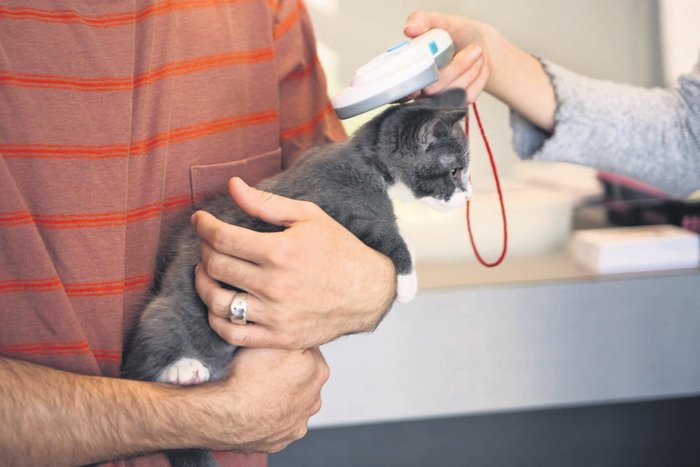
When was the last time your pet visited the veterinarian? If you answered “not in a while,” it is time to book your next appointment. Have you recently discovered a lump or bump on your pet? Don’t let that new discovery go unexamined. While it may be completely benign, it is essential for your pet’s